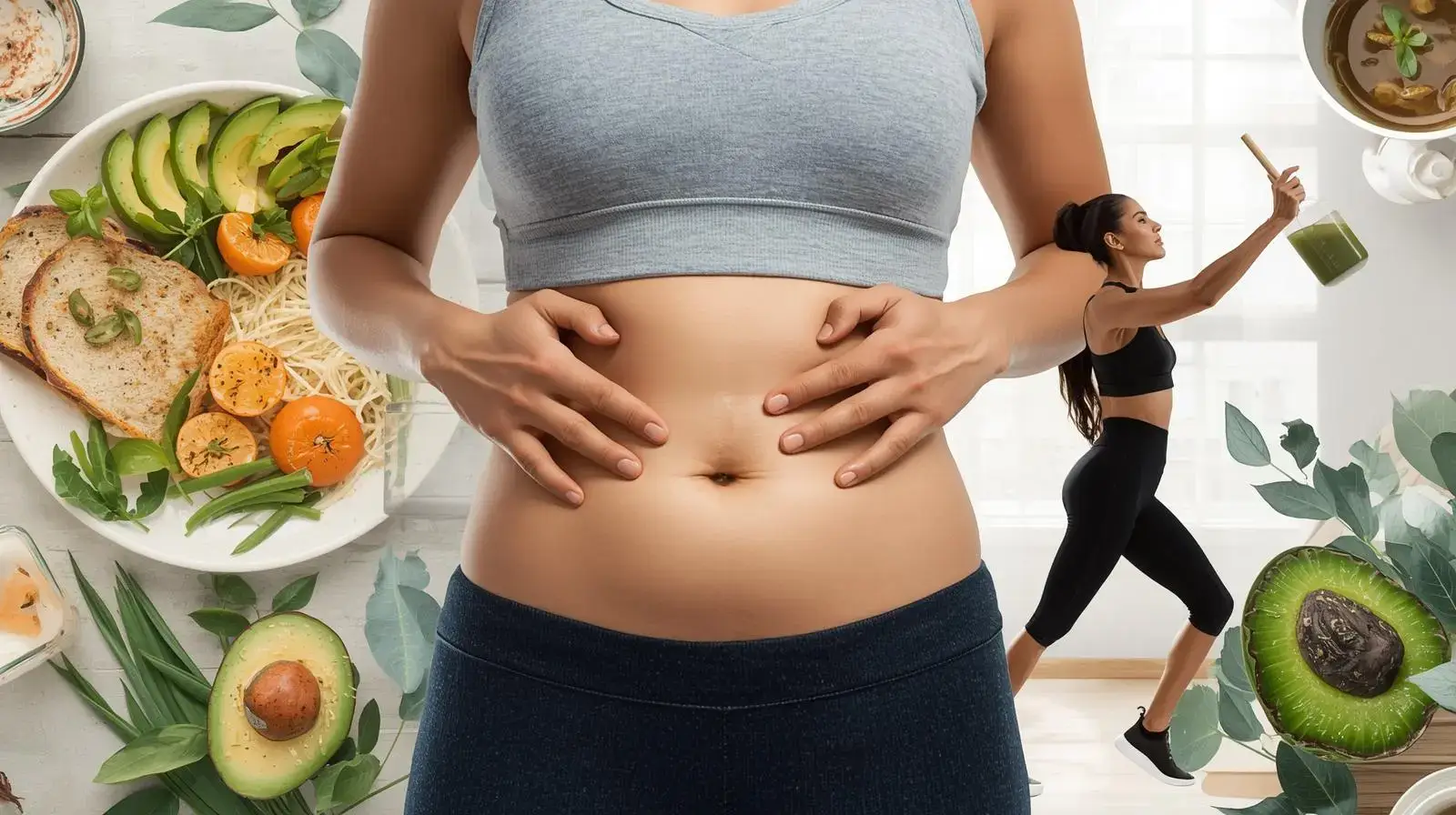

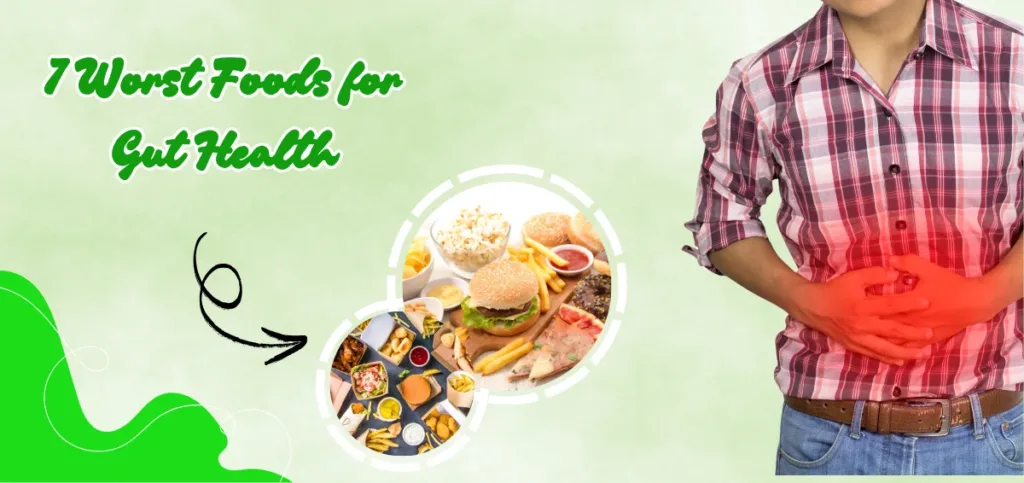
Your gut is home to trillions of bacteria that play a critical role in your overall digestion, immunity, metabolism, etc. The foods you eat have a direct effect on the balance between good and bad gut bacteria. When your diet is filled with highly processed or inflammatory foods, it can harm your gut microbiome. Let’s look at the things that hurt your gut health the most and what you can do to protect and improve your digestive system naturally.
What Is Gut Health?
It refers to the working ability of your digestive system and the overall balance of your gut microbiome. The gut microbiome is a community of trillions of bacteria living in your intestines. Some are good and are harmful. Most of the bacteria in your gut belong to one of the following four groups:
- Firmicutes
- Actinobacteria
- Bacteroidetes
- Proteobacteria
The good bacteria in your gut help break down food and absorb nutrients. Also, it plays a big role in your immune system, as much of your immunity starts in your gut.
So, when your gut bacteria are balanced, you will feel better. Otherwise, you may suffer from different problems.
Must Read: What Foods to Avoid if Alkaline Phosphatase Are High?
Why Gut Health Matters More Than You Think
You may think gut health affects digestion only. However, it impacts several other things. Your energy levels depend on how well you absorb nutrients. You may feel tired often if your gut is unhealthy.
Also, your gut connects to your brain directly. This is called the brain-gut axis. An unhealthy gut can affect your mood and increase anxiety or low feelings.
Poor gut health can further increase inflammation in your body. Over time, this may lead to chronic issues.
When your gut works well, your body absorbs vitamins and minerals properly. When it doesn’t, you miss out on essential nutrients.
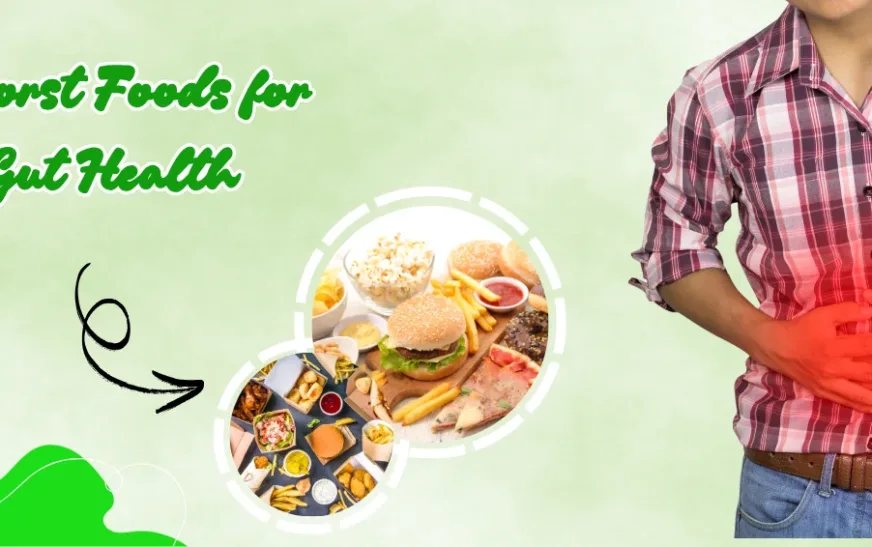
7 Worst Foods for Gut Health
Some everyday foods damage your gut lining quietly. They reduce the good bacteria and increase inflammation in your digestive system.
1. High-Sugar Foods
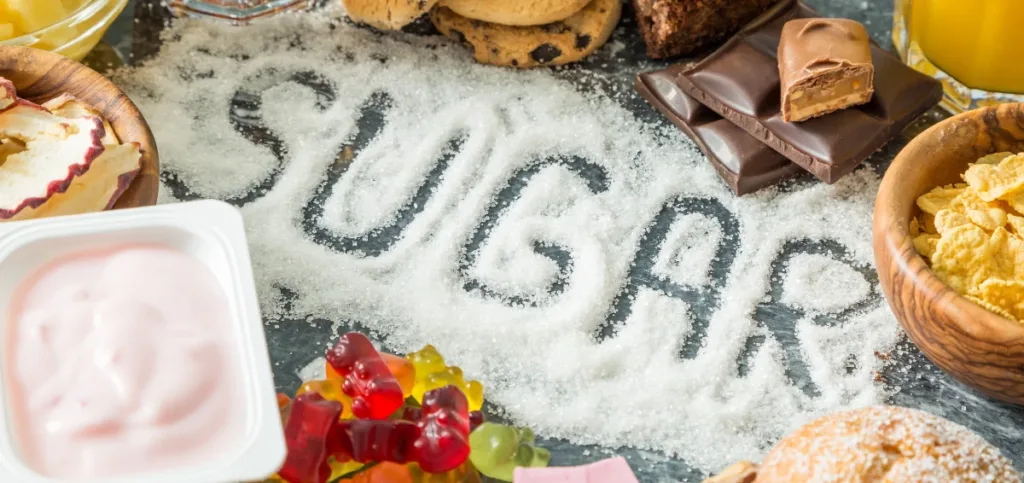
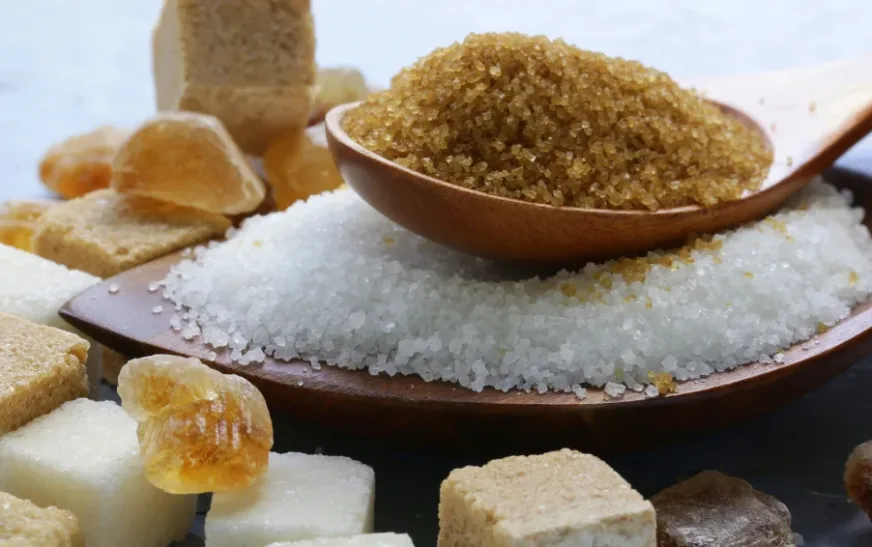
They are one of the biggest threats to your gut. When you eat too much sugar, you feed harmful bacteria in your intestines. These bad bacteria grow quickly and crowd out the good ones.
This imbalance can lead to issues like bloating, gas, etc. Also, it may weaken your gut lining over time. Sugary drinks, candies, etc., are some common culprits. In my experience, cutting back on sugar alone can reduce the bloating issue within weeks. Your gut prefers natural sugars from fruits over processed sweets.
Read Also: Brown Sugar vs White Sugar
2. Processed Meats
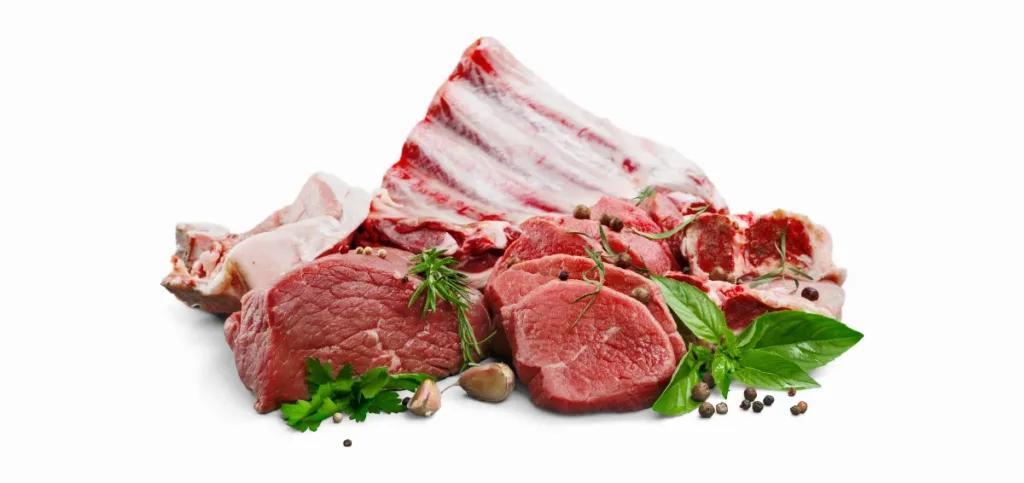
These meats have preservatives and additives. These chemicals can irritate your gut lining. Some contain nitrates and artificial compounds that may disturb your gut bacteria.
Also, they are often high in salt and unhealthy fats. This combination can increase inflammation in your digestive tract.
You may struggle to maintain good gut health if you eat processed meats regularly. I suggest you go for fresh, unprocessed protein sources.
3. Ultra-Processed Foods
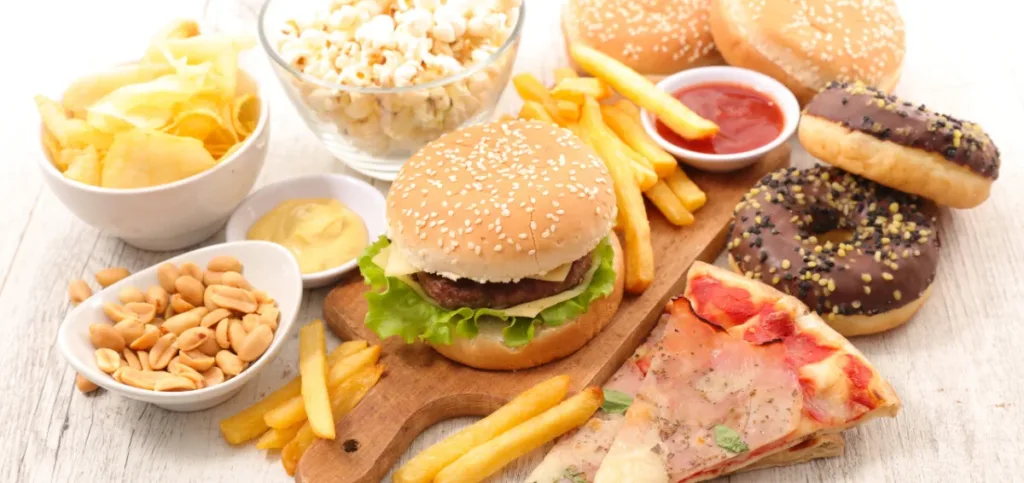
These items are low in fiber and high in artificial ingredients most of the time. Your good gut bacteria thrive on fiber. So, it can weaken over time if you don’t take it in optimal amounts.
Ultra-processed foods often contain emulsifiers, artificial colors, and preservatives. These things increase overall inflammation in your gut, which has adverse effects on your health.
So, you should try to avoid these foods and prefer simple, whole food items.
4. Alcohol

It can disrupt the balance of your gut microbiome, which can lead to dysbiosis. According to a study, the condition was present in people who consumed alcohol more often than others.
Also, it damages your gut lining. This may lead to increased intestinal permeability, sometimes called “leaky gut.” When this happens, unwanted substances can pass into your bloodstream.
Even moderate drinking can affect sensitive individuals. If you notice digestive discomfort after drinking, your gut might be reacting to alcohol.
5. Fried Foods

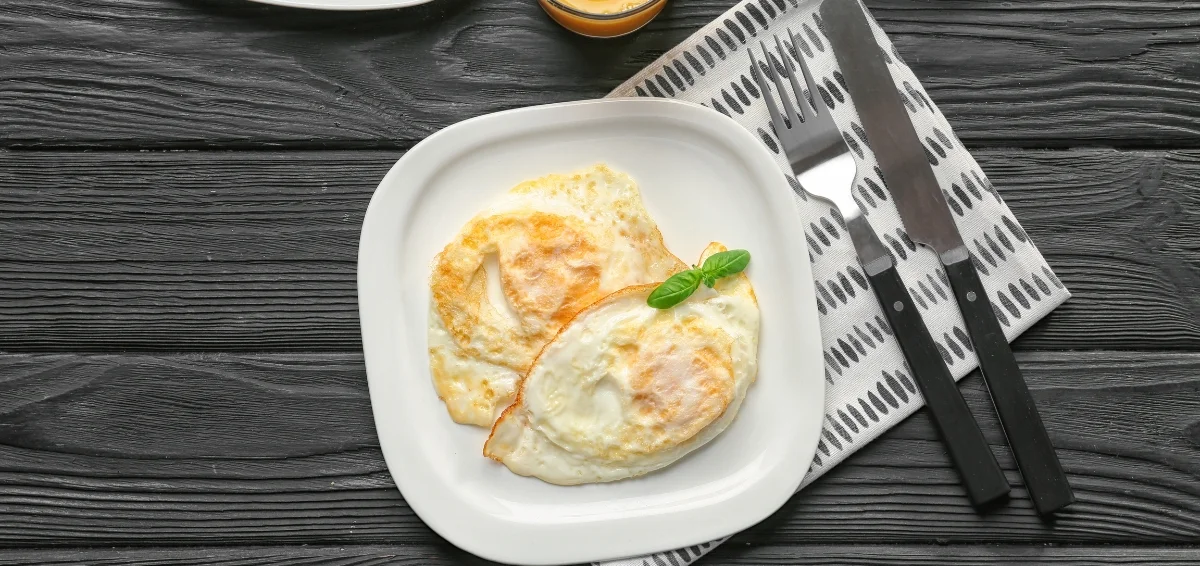
These items are high in unhealthy fats and are hard to digest. They can slow down your digestive process and make you feel heavy or bloated.
These foods may increase inflammation in your gut. When your digestion slows, harmful bacteria may have more time to grow.
So, regular consumption of these items can upset the natural balance in your intestines. I suggest you opt for baking or air frying your meals and avoid deep-fried items.
6. Artificial Sweeteners

They may seem like a healthier option than sugar. However, some studies suggest they can alter your gut bacteria.
They may reduce beneficial bacteria and affect how your body handles glucose. Some people experience gas, bloating, or diarrhea after consuming them.
In my experience, you can go for natural alternatives to maintain a healthy digestive process.
7. Refined Grains
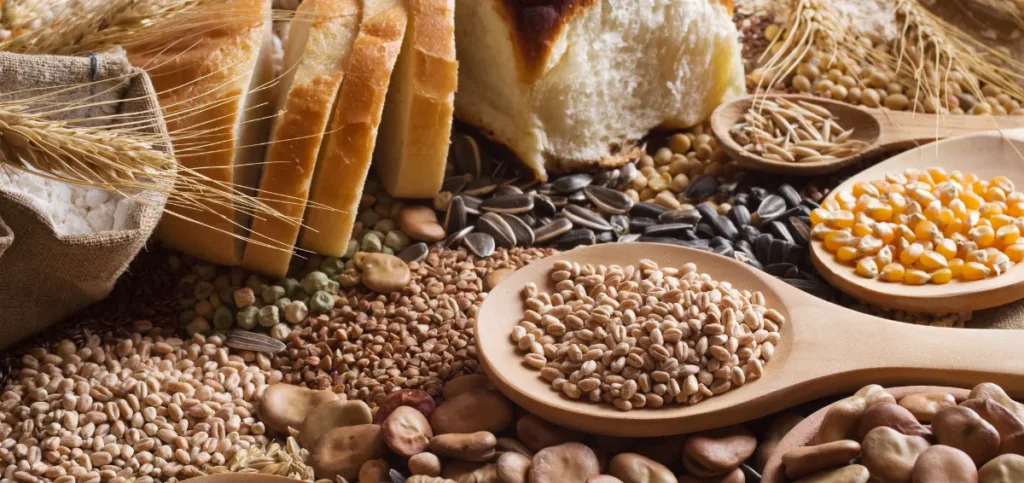
Fiber is important for feeding good gut bacteria. The refined grains lack it. So, your microbial diversity decreases over time. A less diverse microbiome is often linked to digestive issues and inflammation.
Also, refined grains digest quickly. This can further cause blood sugar spikes. This may affect the overall gut balance.
How These Foods Disrupt Your Gut Microbiome
When you eat these foods on a regular basis, your gut bacteria begin to shift. Good bacteria decrease because they lack fiber and proper nutrients. Harmful bacteria grow stronger, especially when you consume more sugar and processed ingredients.
This imbalance can trigger inflammation in your gut lining. Chronic inflammation may damage the protective barrier of your intestines. When this barrier weakens, some unwanted particles can enter your bloodstream.
This can further lead to digestive imbalance. You may experience:
- Gas
- Bloating
- Constipation
- Diarrhea, etc.
In my experience, the body gives small warning signs first. If you ignore them, bigger issues may appear in later stages. So, you should take proper measures on time to protect your gut health.
How to Improve Gut Health Naturally
Simple food and lifestyle changes can rebuild balance and help your gut function properly.
- Gut-Friendly Foods
Fermented foods are pretty beneficial for your gut. You can include items like yogurt, kimchi, etc., as they contain beneficial bacteria. These can help restore balance in your gut. Also, you can add fiber-rich foods to your diet.
Prebiotic foods like garlic, bananas, etc., nourish healthy microbes. I suggest you take one fermented food on a daily basis and increase the overall fiber slowly. Small changes are easier to maintain and gentler on digestion.
- Lifestyle Habits
Sleep plays a big role in gut health. Poor sleep can disrupt your microbiome. So, you must try to build a healthy sleep routine.
Also, stress can have a bad effect on your digestion. So, you can try simple relaxation practices like deep breathing, walking, etc., to counter it.
Besides this, you should exercise daily, which further encourages healthy gut movement. Even light daily activity helps. Keep your body hydrated and stay consistent with healthy habits.
Signs Your Gut Health May Be Off
Your body often gives clues when your gut is struggling. Here are some of them:
- You may feel bloated or gassy after meals. Your digestion may be irregular, with constipation or diarrhea.
- Fatigue is another common sign. Poor nutrient absorption can leave you drained.
- Skin issues like acne or eczema may appear.
- You can suffer from frequent colds, which is a clear signal of weak gut-related immunity.
If these symptoms persist, your gut may need proper attention.
Read Also: Foods to Avoid With Trulicity
Protect Your Gut Starts with Smarter Choices
Your gut health is in your hands every day. Small choices add up over time. You can reduce junk foods and add supportive ones to shift your microbiome in a positive direction.
You do not need to change everything overnight. Start at a slow pace and add new healthy habits one at a time.
I believe consistency matters more than perfection. When you care for your gut, your whole body will benefit.
Frequently Asked Questions
1. What foods damage gut health the most?
Here are some items that damage your gut health:
- High-sugar food
- Ultra-processed snacks
- Processed meats
- Alcohol
- Fried foods, etc.
You can take them occasionally. However, regular intake of these items can lead to poor gut health.
2. What foods help repair gut health?
You can add the following food items to your diet to improve your gut health:
- Fermented foods
- Fiber-rich vegetables and fruits
- Legumes
- Whole grains
- Prebiotic foods
These items will feed the good bacteria in your gut, and you will notice some solid improvements over time.
3. Do probiotics really improve gut health?
Probiotics can improve gut health, especially after antibiotic use or digestive imbalance. They add beneficial bacteria to your system. However, they work best when combined with fiber-rich foods.
4. How long does it take to heal gut health?
The time of gut healing varies with every person. Some people notice improvements within a few weeks of dietary changes. For others, it may take a few months. However, consistency is the key here. If you eat gut-friendly foods on a regular basis and reduce harmful ones, your microbiome becomes more balanced with time.
5. When should I see a doctor for gut issues?
You should see a doctor if you have the following symptoms:
- Severe pain in the stomach
- Ongoing diarrhea
- Blood in stool
- Unexplained weight loss
Keep in mind that mild bloating is common. However, chronic or worsening issues need medical attention.